


In the following article, the Global Investigative Journalism Network (GIJN) Sub-editor at MRDI, Ruhina Ferdous, explores how international exposure and the localised resources of GIJN Bangla are equipping a new generation of Bangladeshi reporters to tackle complex domestic issues with world-class precision. From uncovering money laundering to navigating election-year misinformation, these are the stories of how global insights are being turned into local impact.
In an era where financial corruption and authoritarianism often transcend borders, investigative journalism can not function in a isolation. For journalists in Bangladesh, the 14th Global Investigative Journalism Conference (GIJC25) in Kuala Lumpur served as a critical masterclass in accountability, digital security and cross-border solidarity.
When Nobel Prize-winning economist Joseph E. Stiglitz took the stage at the 14th Global Investigative Journalism Conference (GIJC25), his message hit close to home for the Bangladeshi contingent: the “Global South” must lead the charge in investigating how Western institutions shield illicit wealth. For the Bangladeshi journalists sitting in the audience, listening to Stiglitz’s call to action and hearing the personal struggles shared by Nobel laureate Maria Ressa was deeply inspiring.
Stiglitz advised investigative journalists to make use of economists as background sources when navigating complex financial systems. Meanwhile, Rappler CEO Maria Ressa, who continues her fight against authoritarianism in the Philippines, presented evidence of the misogynistic online attacks she has faced. Her unwavering posture conveyed a singular, powerful message: never give up, no matter the situation.
A global hub for local impact
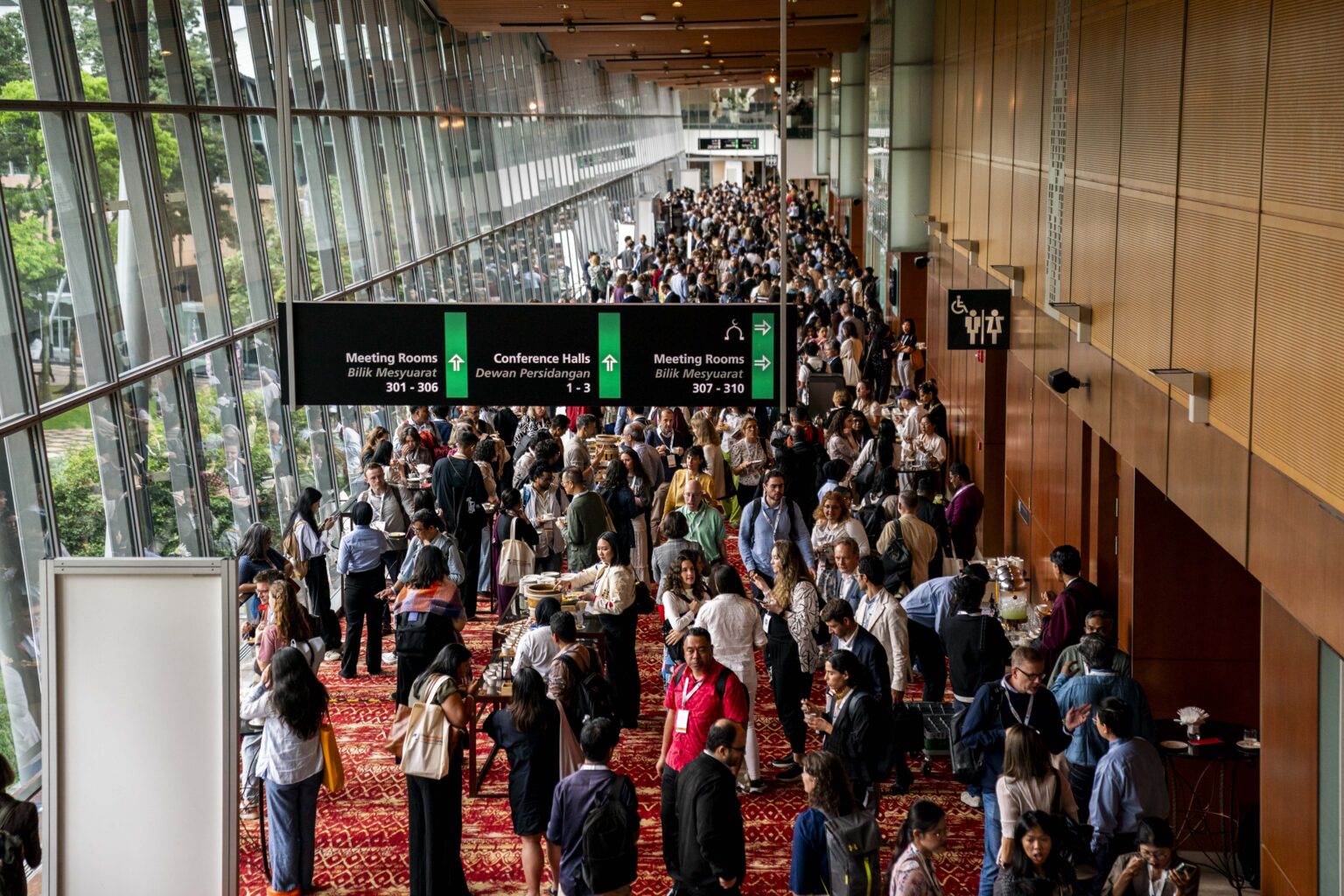
Held in Kuala Lumpur, Malaysia, GIJC25 brought together over 1,500 attendees from 135 countries. More than 30 journalists, researchers and media professionals from Bangladesh participated, marking a significant presence for the nation’s press.
In a country like Bangladesh, watchdog journalism is essential for holding regulatory authorities accountable. To do this effectively, journalists must master the art of questioning power, collecting evidence through modern technical methods and ensuring the digital safety of their sources.
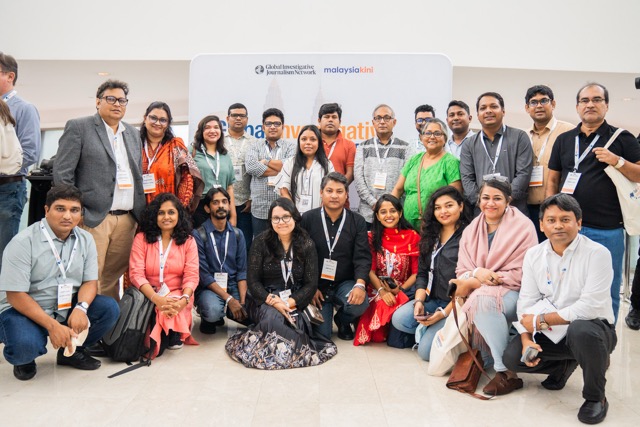
Fojo Media Institute and Media Resources Development Initiative (MRDI) are long-term partners of GIJN – Global Investigative Journalism Network. For several years, Fojo and MRDI have supported more than 45 journalists from Bangladesh to attend the conference. Through this support, reporters can share experiences with editors and experts from around the world, learning about emerging tools through hands-on panel discussions.
Insights from the frontlines
Qurratul Ain Tahmina, a senior journalist and trainer, noted that as the first GIJC held in Asia, the event provided invaluable insights from participants sharing similar geographic and political contexts.
“My key learnings are: never lose hope, never feel alone and seek help through cross-border collaboration,” Qurratul shared. “Nothing can substitute legwork and working on the ground with real people. We must nurture our courage of conviction and keep improving our work creatively.”
The impact of these conferences often spans years. Sushanta K. Singha, now a Planning Editor at Ekattor Television, reflects on how a GIJN scholarship to the 2018 Asian Investigative Journalism Conference (IJAsia18) shaped his career. “By participating in sessions on tracking money, I developed practical insights into analysing government documents. This experience played a significant role in strengthening the quality of my investigative reports on the misuse of public funds.”
Real-world application
The learning process does not end when the planes land in Dhaka. Shaveena Anam of The Daily Star used her time at GIJC25 to study how global media organisations are navigating revenue challenges and developing premium content for The Daily Star.
For others, the conference was the birthplace of active investigations. Ahsan Habib, a Senior Staff Correspondent at The Daily Star, initiated a cross-border collaboration during the event. After discussing alleged money laundering with a Thai colleague, he plans to launch a formal investigation following Bangladesh’s national election in February 2026.
Similarly, Marzia Hashmi Momo of Netra News found the sessions on digital security and data journalism to be a catalyst for her next project. “The conference provided insights that motivated me to pursue deep-dive investigations into sensitive data protection,” she mentioned.
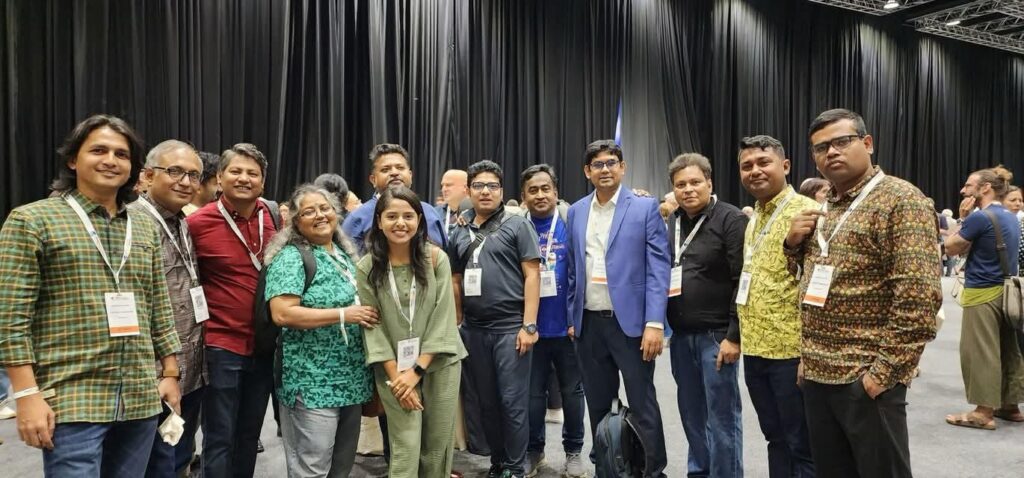
Photographer: Mahiuddin Rifat
The role of GIJN Bangla
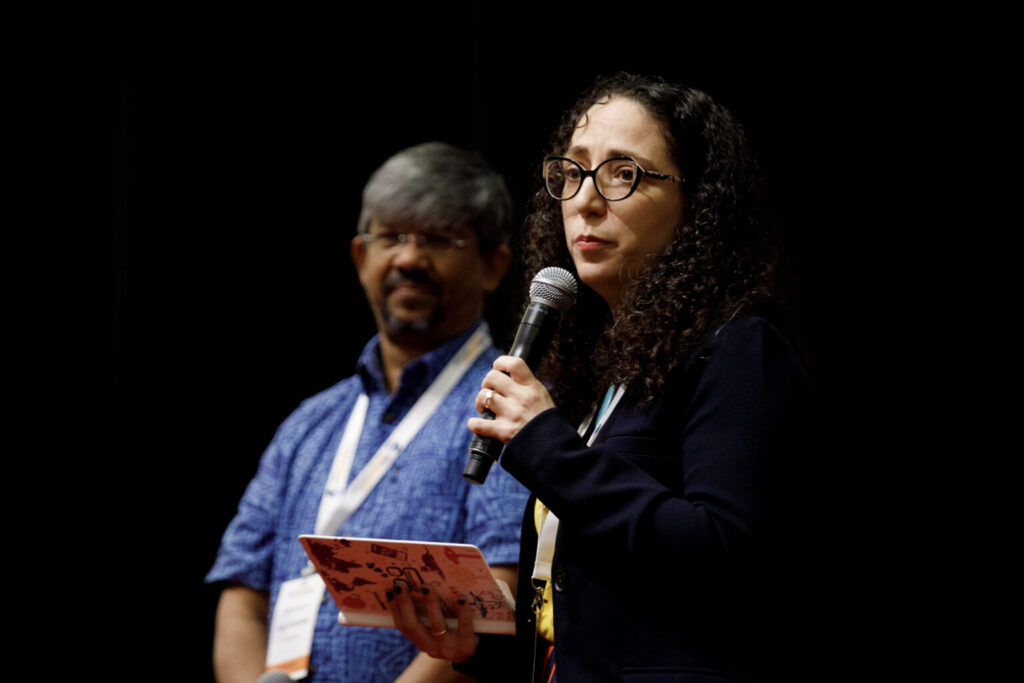
Since 2018, GIJN Bangla has been the bridge between global expertise and local language. By translating toolkits and guides into Bengali, the branch ensures that journalists who cannot attend in person still benefit from global best practices.
The reach of these resources is measurable:
- Website Traffic: 30,000–45,000 unique visitors annually.
- Social Media: Over 10,000 followers on Facebook and a growing presence on LinkedIn and X.
- WhatsApp: Dedicated groups providing real-time tips, tools, and fellowship updates.
As Ahsan Habib pointed out, these resources were vital during the 13th national election, when the country was flooded with misinformation. “The translated GIJN resources gave me new guidance and fresh perspectives when the risk of making mistakes was at its highest.”
SK Tanvir Mahmud, who joined as GIJN Bangla Editor in May 2025, observed that the conference not only connects Bangladeshis with international peers but also strengthens communication among journalists within the country. “GIJC always brings valuable insights to investigative journalists. Through this platform, journalists from around the world, including Bangladesh, become acquainted with new areas of investigation. They return to their respective countries with these ideas and begin preparing major investigative reports. GIJC is also important because it inspires cross-border investigative projects, allowing journalists to connect with representatives from different countries to implement these ideas.”
A sustainable future for accountability
Investigative journalism is a tool for protecting the public interest. As Fakhrul Islam Harun of Daily Prothom Alo reflected “GIJC23 added a whole new dimension to my journalism journey. Over three days, I attended eleven carefully chosen sessions, and my favorite was Paul Myers’ session, where he showed how to use Google Maps for investigative reporting. Ted Jerry and Nick Mathiason from Finance Uncovered taught how to analyze a company’s balance sheets to uncover stories. I spoke with all three afterward – they encouraged me to reach out if I wanted to develop a story. I have already started connecting with Nick Mathiason.”
Harun reflected on the Gala night, which showcased the Global Shining Light Awards, and noticed one thing: every winning report used multimedia. Text alone is no longer enough; storytelling today demands visuals, videos, and interactive content. He decided to share this insight with his newsroom.
“This conference was truly eye-opening. It made me realise that journalism in our country still has room to reach global standards. Investigative journalism will prevail,” he stressed.
As the landscape of media continues to evolve, the bridge built by GIJN Bangla ensures that Bangladeshi journalists are active participants in the future of investigative truth-telling.
Ruhina Ferdous is working as a Sub-editor at GIJN Bangla, MRDI. This article was prepared with the support of GIJN Bangla editor Sk Tanvir Mahmud