


Through a regional journalism education initiative like AGILE, an ecosystem is created where knowledge is not confined to one discipline or country, but shared to strengthen the information landscape. The benefits of this cross-border work are clear: it provides access to international expertise, mobilises academic networks and ensures that education is deeply rooted in real-world practice
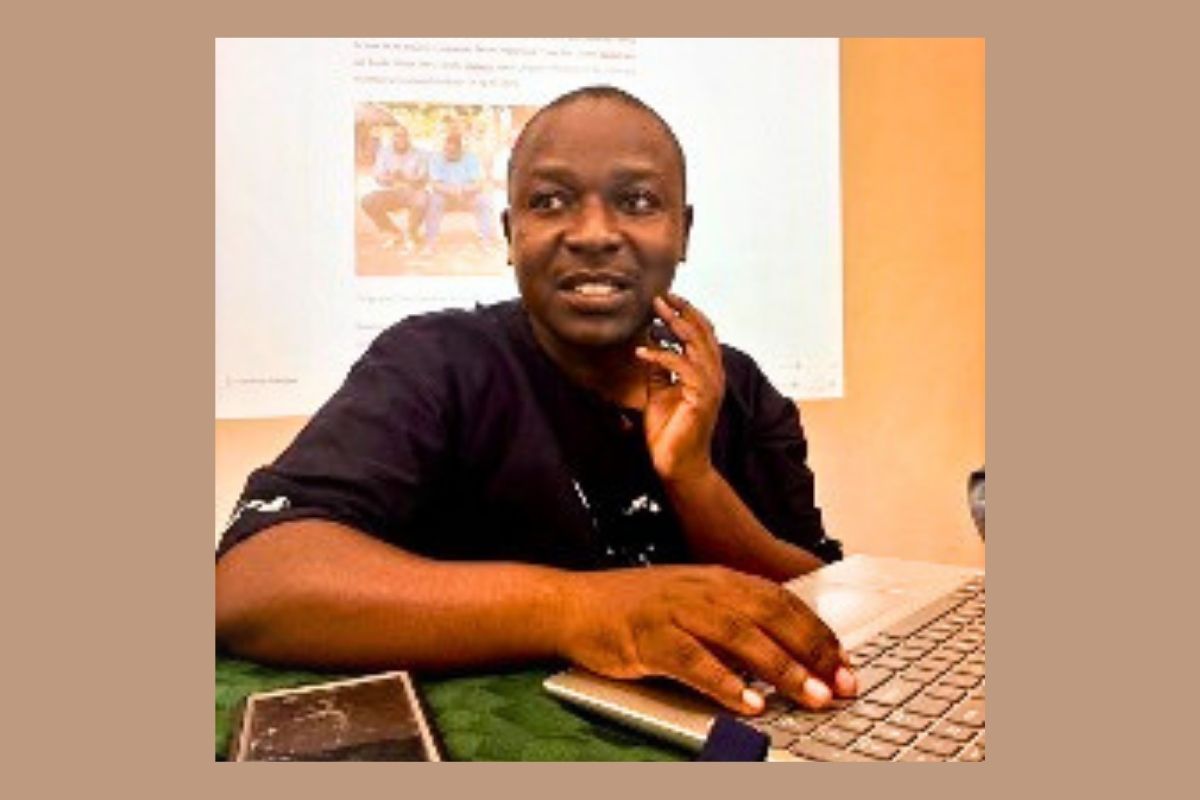
We sat down with Antonio Terence-Hod from the Department of Mass Communication at Harare Polytechnic University, a representative from a participating partner university, to hear how AGILE makes a practical difference for both educators and students.
What is the main benefit of being part of a global network like AGILE?
“The primary gain is that we break the isolation. By linking our local expertise with international partners, we create higher relevance in our teaching. It is about understanding that the challenges facing journalism are universal, but the solutions often benefit from being viewed through different perspectives. For our students, it means they don’t just learn the craft; they become part of a larger, human network that spans continents.”
How does this collaboration affect the practical skills of future journalists?
“We use methods that are hands-on and grounded in real newsroom experience. It is central to us that students practice source criticism and safety in contexts that feel authentic. Through AGILE, we can exchange concrete curricula and case studies that directly improve the students’ ability to navigate a complex media landscape. The human encounter with colleagues from other countries provides a deeper understanding of professional ethics than textbooks alone can offer.”
In what way does this initiative strengthen the information ecosystem as a whole?
“By collaborating with both the industry and civil society at the university level, we create more resilient journalism. We advance knowledge by letting research and practical work meet. This allows us to adapt more quickly to changes like AI and shifting consumption habits. Ultimately, it is about giving people the tools to make informed decisions in a changing world, and that requires those of us educating journalists to work together across all borders.”
AGILE is a global consortium (2025-2028) which aims to strengthen independent journalism globally, supported by the European Union. The consortium members are Internews Europe, Fojo Media Institute, CFI Développement Médias, Thomson Media and ARTICLE 19. Fojo Media Institute leads workstream 5: The future of journalism