



On 19 November, journalism educators and investigative journalists from Kenya, Zimbabwe, Bangladesh, Sri Lanka, Vietnam and Sweden came together for a collaborative co-design workshop in Kuala Lumpur, Malaysia. Their shared goal was to begin shaping Dig Better, a new extracurricular course in investigative journalism aimed at empowering female students.
Held just ahead of the Global Investigative Journalism Conference (GIJC) in Kuala Lumpur in Malaysia, the workshop created space for exchange, reflection and connection within a wider global community of investigative journalists. Set to launch in 2026 across seven countries, the course will combine hands-on training with a dedicated mentorship programme, pairing young women with experienced investigative journalists for practical guidance and real-world support. Beyond laying the groundwork for a jointly designed course, the meeting fostered cross-border learning and collaboration, which are essential ingredients for resilient and forward-looking journalism education.
The initiative is part of the AGILE global consortium, funded by the European Union. Fojo leads Workstream 5: The Future of Journalism.
Here are some perspectives, expectations and reflections shared by participants at the workshop:
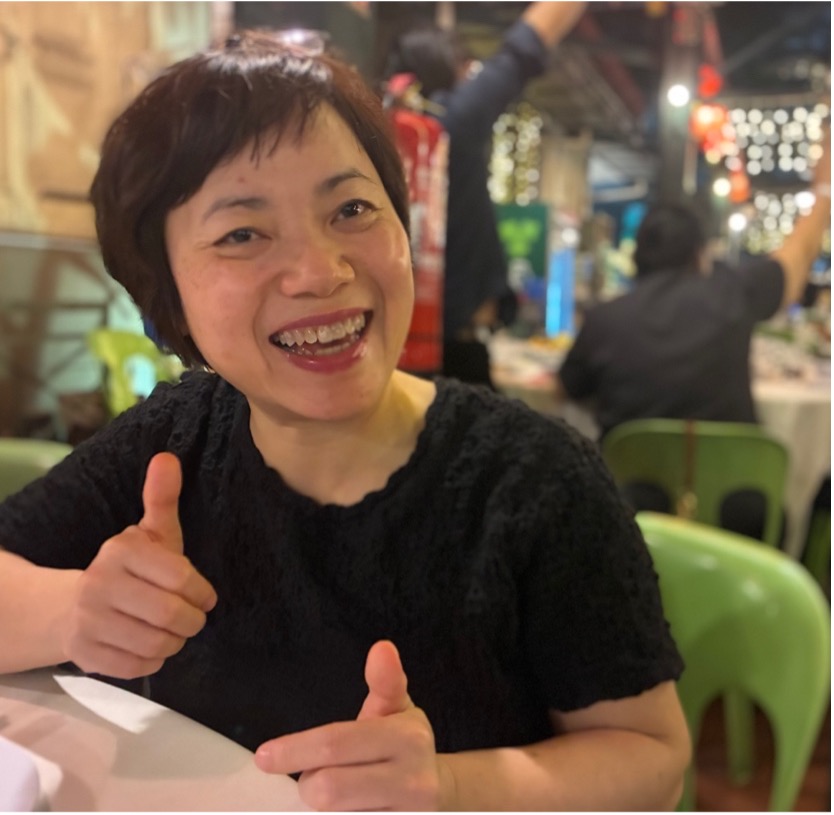
Nguyen Thi Thanh Huyen, PhD
Vietnam National University (VNU) USSH, Vietnam
”Investigative journalism is an essential professional skill, responding to the public’s need for multi-dimensional and objective information. At our school, the course in investigative journalism has only recently been introduced at undergraduate level.
Taking part in the co-design process has therefore been a valuable opportunity to exchange knowledge and experiences with international experts and colleagues, helping us to implement this module more effectively.
The workshop allowed me to listen to and engage with peers on the opportunities, challenges and possible solutions for delivering the course in a meaningful way. Our shared ambition is for students to gain real-world experience, enabling them to apply investigative methods and skills in their future professional work. Discussions around legal frameworks, professional ethics, for institutions, lecturers, students and sources, as well as the role of technology, were particularly striking and thought-provoking.
Co-design as a method is a meaningful initiative. It has strengthened my belief that through collaboration and dialogue, we become more capable of fulfilling our mission as journalism educators. I am genuinely happy to have had the opportunity to work with so many talented and dedicated colleagues, and I am grateful to Fojo for supporting my participation in this event.”
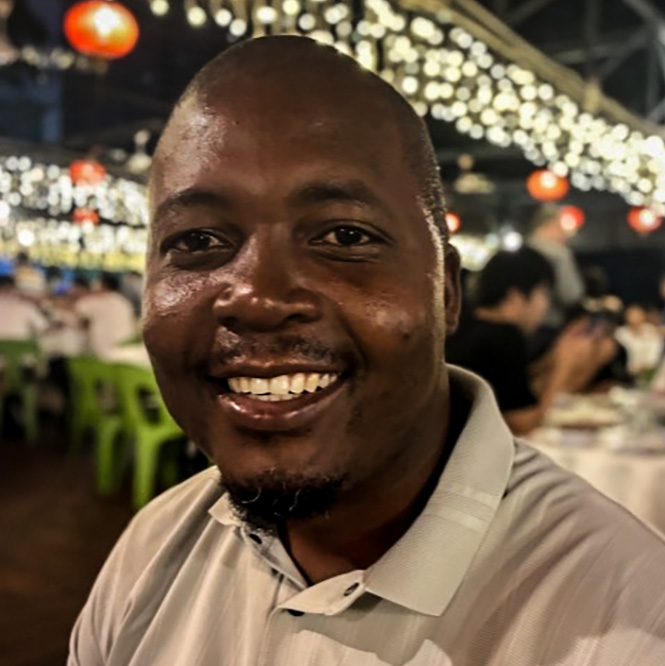
Golden Maunganidze, PhD
Great Zimbabwe University (GZU), Zimbabwe
”This initiative offers an important opportunity to restore hope among young female journalists who often perceive investigative journalism as a field reserved for seasoned male practitioners. Introducing women to this beat, particularly with a focus on high-impact local challenges, is a powerful step that will continue to yield positive effects long after the project has ended.
The programme will complement existing efforts by universities, while the funding component enables students to engage in practical journalism. In doing so, it helps bridge the gap between classroom learning and professional practice.”
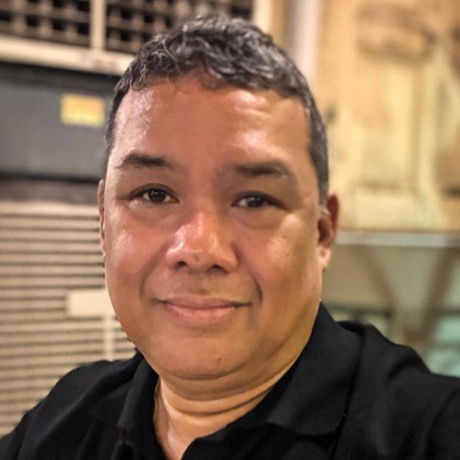
Jude Gelino, PhD
University of Liberal Arts (ULAB), Bangladesh
”Co-designing this course allows female Bangladeshi students to shape what they learn. It reflects their needs, voices and safety concerns, while building the confidence required to undertake rigorous investigative work. When women investigate, society benefits from stronger and more inclusive journalism.
I believe co-design works because it makes education more relevant and participatory. It brings real voices into the process, builds a sense of ownership among learners, and ensures that course content is grounded in local context. The result is a stronger, more practical and inclusive course.”
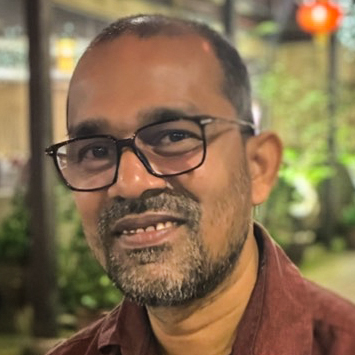
MC Rasmin, PhD
Media and education expert/researcher, Sri Lanka
”I was extremely pleased to be part of the AGILE project, particularly the co-design of a university curriculum on climate journalism and reporting alongside fellow academics from Asia and Africa. A key strength of this process was its flexibility and adaptability.
Rather than applying a one-size-fits-all model, it allowed participants to explain their contexts and negotiate solutions, ensuring the curriculum reflected the unique realities of each country, an approach that is still rare.
This model has the potential to create significant impact within university systems, as the curriculum remains extracurricular and can be meaningfully adopted by institutions. The development process was adaptive, consultative and respectful of contextual differences, making it a valuable resource for universities moving forward.”
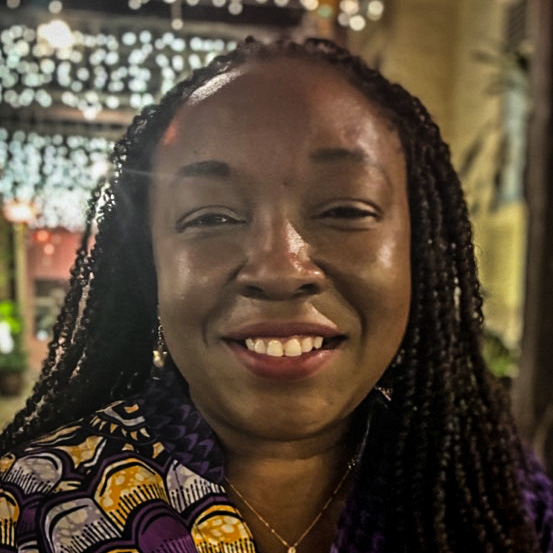
Professor Nancy Booker
Aga Khan University (AKU), Kenya
”Women make up half of our population, yet their voices are too often underrepresented in journalism. Training women journalists in investigative reporting helps ensure that stories which have long been overlooked are finally told, and heard.”