


A collaborative effort between East African journalism departments is set to change how investigative journalism is taught to women. By co-designing an extra-curricular course that addresses specific gender-based risks, the project aims to diversify the stories that shape our world.
EAST AFRICA. Investigative journalism has long been a field dominated by men, often leaving the perspectives and stories of half the population in the shadows. To change this narrative, educators from across the region have come together to create an extra-curricular course specifically for female students. Supported by the EU-funded AGILE project, this initiative recognises that the barriers for women are not just professional, but often personal and safety-related.
The curriculum is not a copy of existing courses but rather a response to the unique realities female investigators face. From legal threats to the specific risks of physical and sexual abuse, the training provides a holistic approach to survival and success in the field.
Addressing layered risks from the classroom
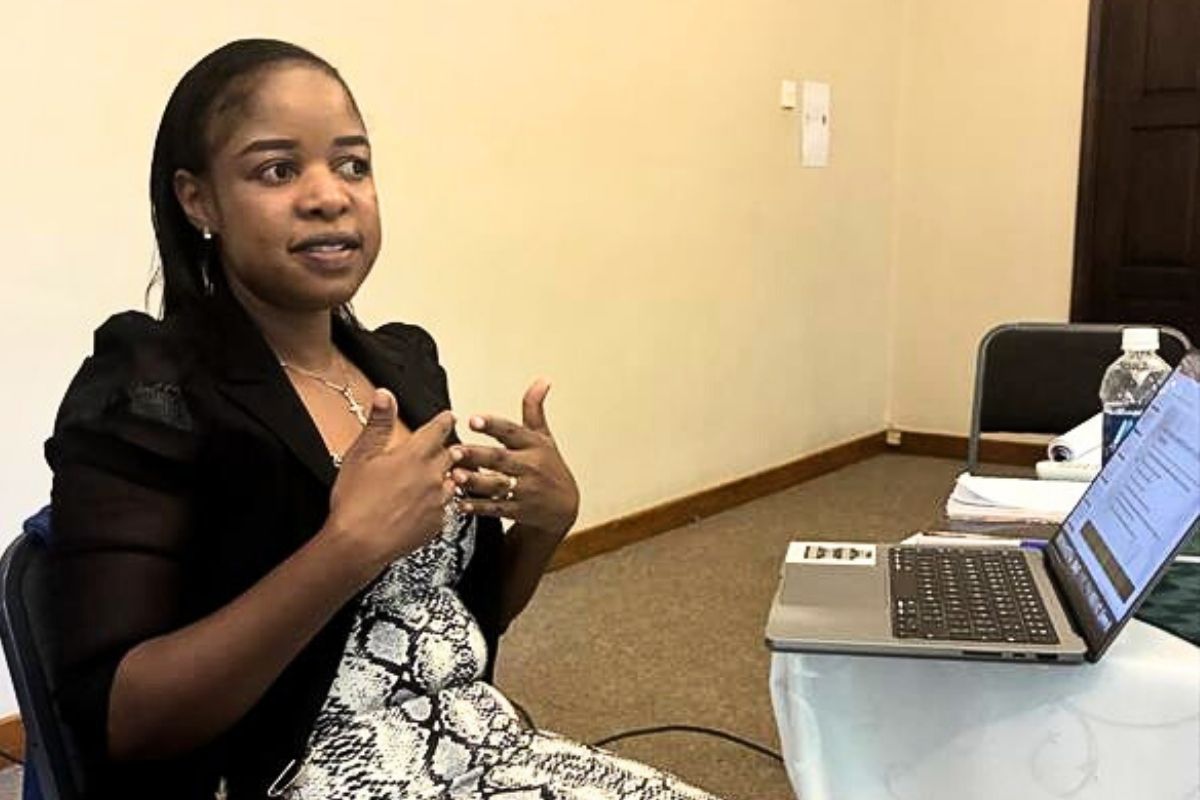
For Linda Mujuru, a lecturer at the University of Zimbabwe, the importance of this support cannot be overstated. She believes that the classroom is the front line where the decision to pursue or abandon investigative work is often made.
“I think more support to investigative journalism for students is important for many reasons. The first is to encourage female students to enter into investigative journalism from the class level because in practice there are few women doing these stories. Secondly, doing these stories involves holding power to account and females face layered risks such as legal, physical and sexual abuses that can result from doing investigative stories,” Mujuru says.
She emphasises that these risks act as a deterrent, often stopping talented women before they even begin. By providing mental health support, specific tools and a safe platform while they are still students, the programme hopes to build a resilient generation of reporters. “Protecting and investing in women investigators ultimately protects press freedom by providing a nuanced overview of issues and this all starts from the classroom,” Mujuru adds.
Broadening the investigative agenda
When women are missing from investigative teams, the public interest is only partially served. Professor Nancy Booker from Aga Khan University in Kenya highlights that this lack of representation leads to significant gaps in what is considered “news.”
“Women make up half of our population, but their voices are frequently underrepresented. Training women journalists in investigative reporting ensures that the stories that have long been ignored are finally heard,” Professor Nancy Booker notes.
By bringing more women into the fold, the investigative agenda naturally expands to include issues such as gender-based violence, reproductive health and economic disparities that male-dominated newsrooms might overlook. This inclusion strengthens the depth of public-interest reporting and ensures a more accurate reflection of society.
The co-creation process itself reflects the project’s goals. By involving different universities, the course benefits from a regional perspective that accounts for different legal and cultural landscapes in the AGILE-project’s effort to strengthen journalism education. The programme rolls out in late 2026.
This activity was supported by AGILE.
AGILE is a global consortium (2025-2028) which aims to strengthen independent journalism globally, supported by the European Union. The consortium members are Internews Europe, Fojo Media Institute, CFI Développement Médias, Thomson Media and ARTICLE 19. Fojo Media Institute leads workstream 5: The future of journalism