


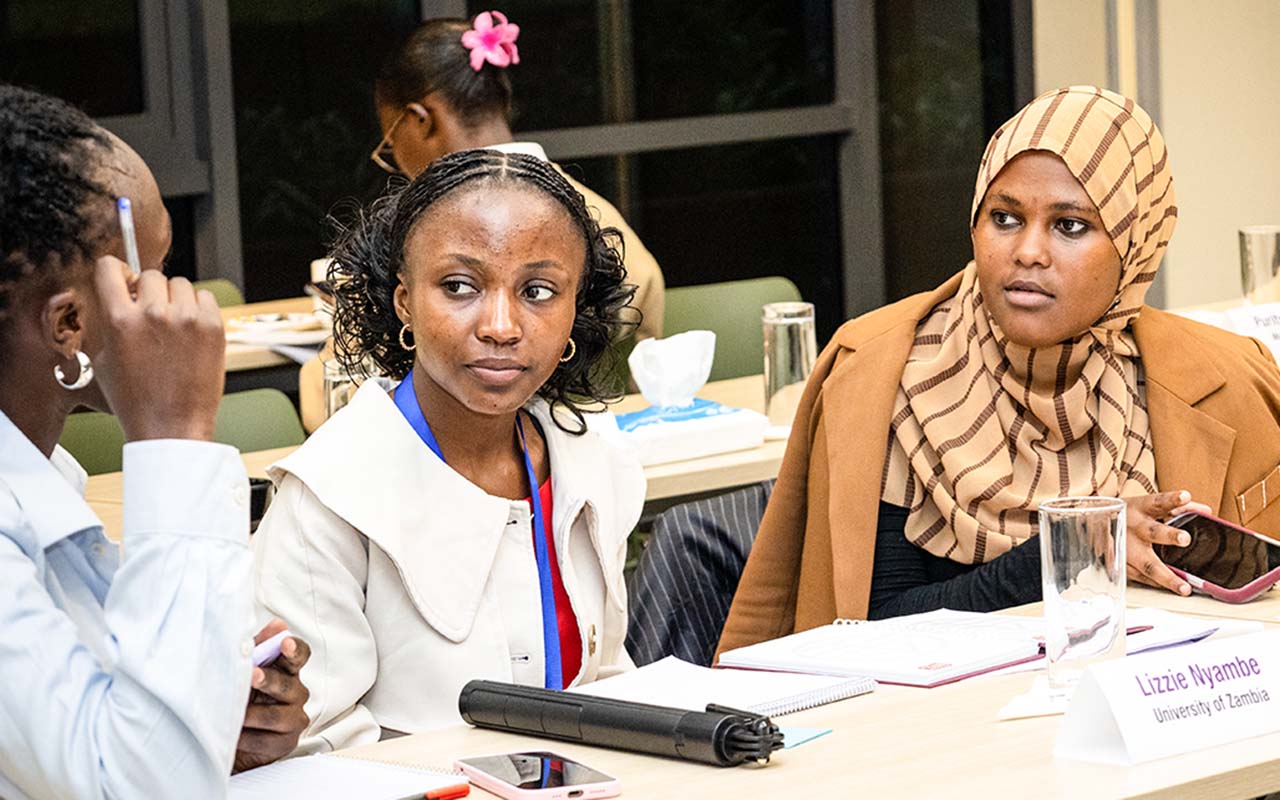
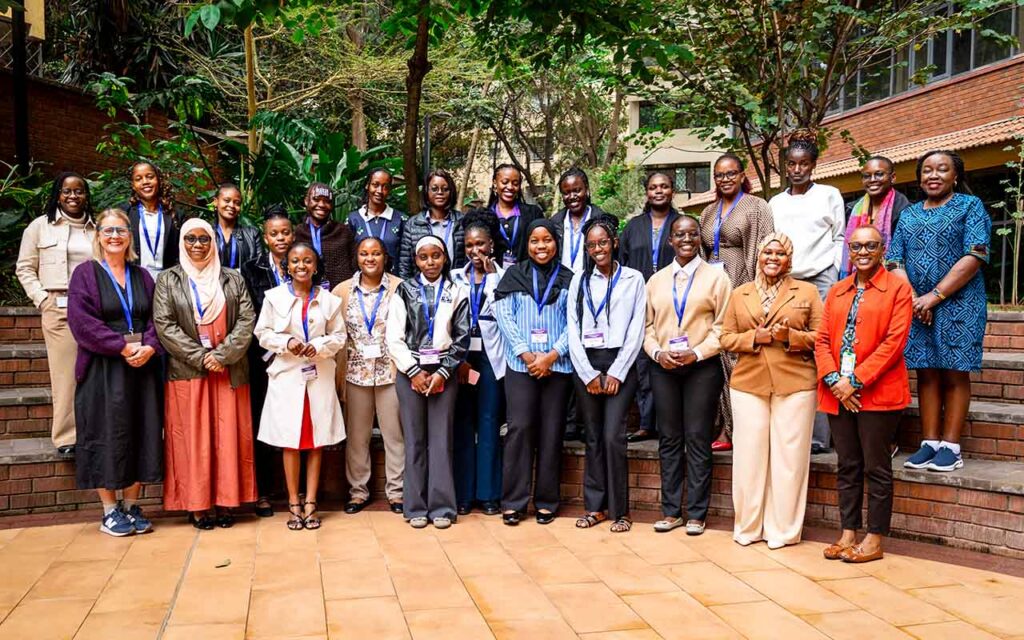
NAIROBI: Female media leadership took centre stage in Nairobi as eighteen female journalism students and four educators from Tanzania, Kenya and Zambia gathered to address how women can claim space and lead in newsrooms. The Women Media Leaders of Tomorrow (WMLT) initiative was lead by Fojo Media Institute and Graduate Media and Journalism School at Aga Khan University, with support from the EU-funded Agile project.
This three-day gathering was the fifth edition of the WMLT initiative, following previous iterations in Bangladesh, Sri Lanka and Zimbabwe. The Nairobi edition represented a milestone as the first regional programme in the series, bringing together participants from the University of Dar es Salaam, the University of Zambia, Maseno University and Moi University to share their experiences and learn together.
Claiming space in media
The programme provided practical knowledge and leadership training tailored to the demands of current media environments.
Opening the programme, Cristina Barrios, Head of the Political and Public Information Section at the EU Delegation, spoke about leadership as a series of personal choices. She reflected on the decisions women make about their careers and the importance of supporting initiatives that create opportunities for others.
Her message was clear: creating space for women to lead also requires people to make choices to support, encourage and invest in the next generation.
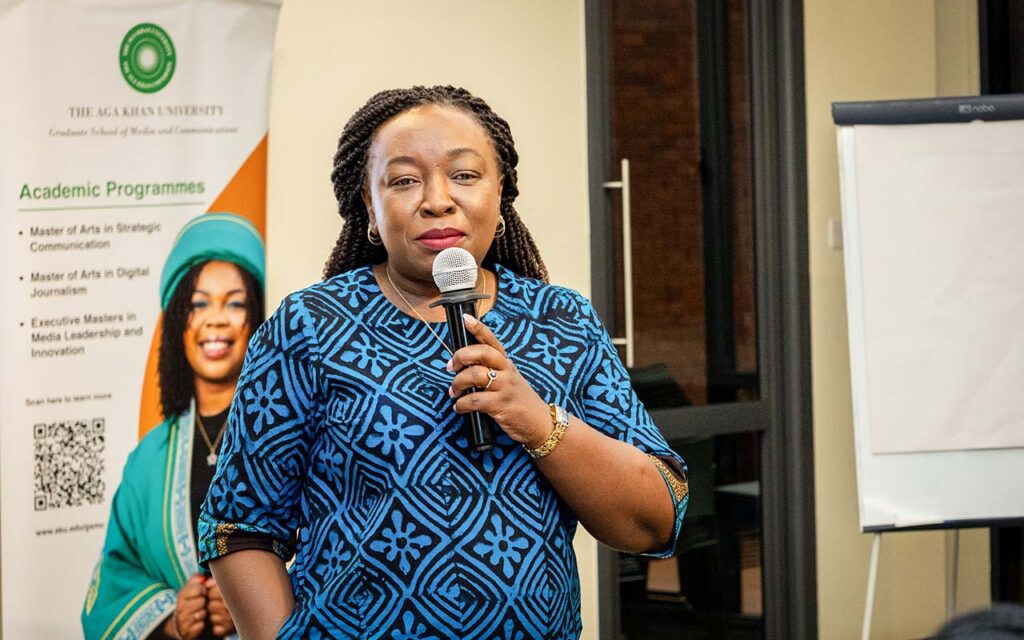
Professor Nancy Booker, course leader and Dean at Aga Khan University, urged participants not to wait for institutional permission before showing leadership.
“Don’t wait until someone tells you that you are good enough. Don’t wait until you have a title, until you are older or until you are completely ready,” Nancy Booker stressed.
She defined leadership as a deliberate action to step forward, support peers and contribute meaningfully to the newsroom ecosystem.
“Claiming space is not about taking all the space. It is about becoming confident enough to occupy your space without preventing somebody else from occupying theirs.”
Lessons for professional practice
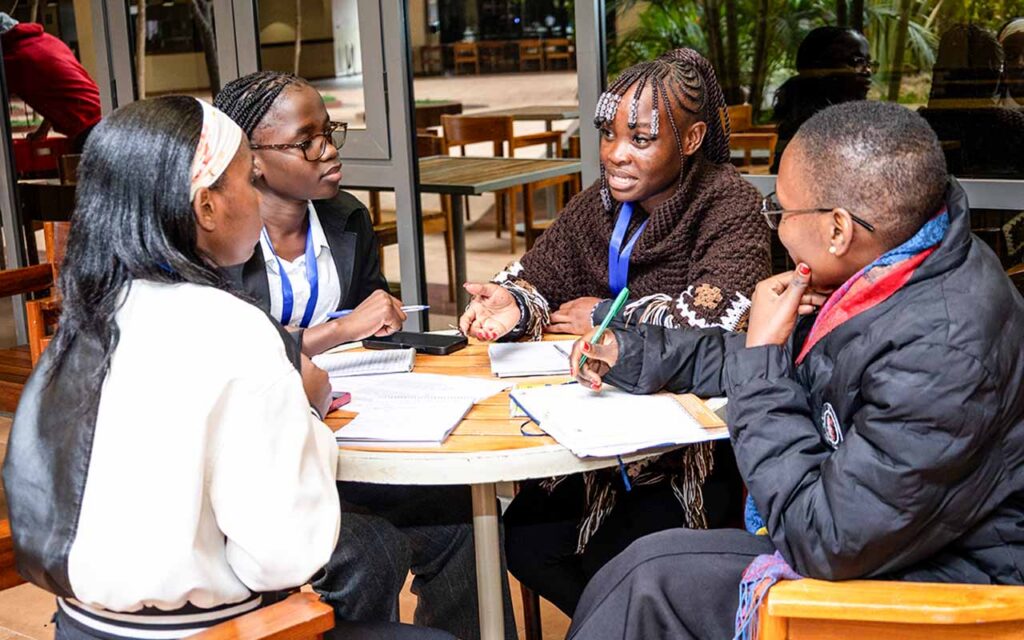
Participants explored how early-career journalists can actively reshape newsroom dynamics and editorial priorities. Their discussions highlighted several key competencies for emerging leaders:
- Consistency and relationship building: Developing strong professional networks and maintaining editorial integrity over time.
- Proactive storytelling: Taking initiative on underreported issues and bringing diverse perspectives to coverage.
- Peer support and safe spaces: Recognising that sustainable leadership relies on collaboration, mentorship and mutual encouragement rather than isolated effort.
Zuhura Zelemani, a journalism educator from the University of Dar es Salaam, highlighted the long-term impact of connecting students with established practitioners across borders.
“It reminds young women of who they are, what they are capable of and how they can become effective leaders. It provides opportunities to connect and network with media professionals and mentors via different platforms,” Zelemani noted.
Lizzie Nyambe, a journalism student at the University of Zambia, pointed out that leadership in today’s media industry requires a clear understanding of systemic challenges:
“Becoming an effective media leader requires more than a title. It is about claiming the space and having in-depth knowledge of what leadership entails and the realities surrounding the changing media ecosystem.”
Strengthening the wider information ecosystem
The outcomes of the Nairobi WMLT-initiative demonstrate that fostering leadership early in a journalist’s career directly benefits media organisations. Equipping young women with practical skills and professional networks builds resilience within newsrooms. As media systems undergo rapid transformation globally, supporting diverse leadership approaches remains essential for producing relevant, accountable, and trusted journalism.
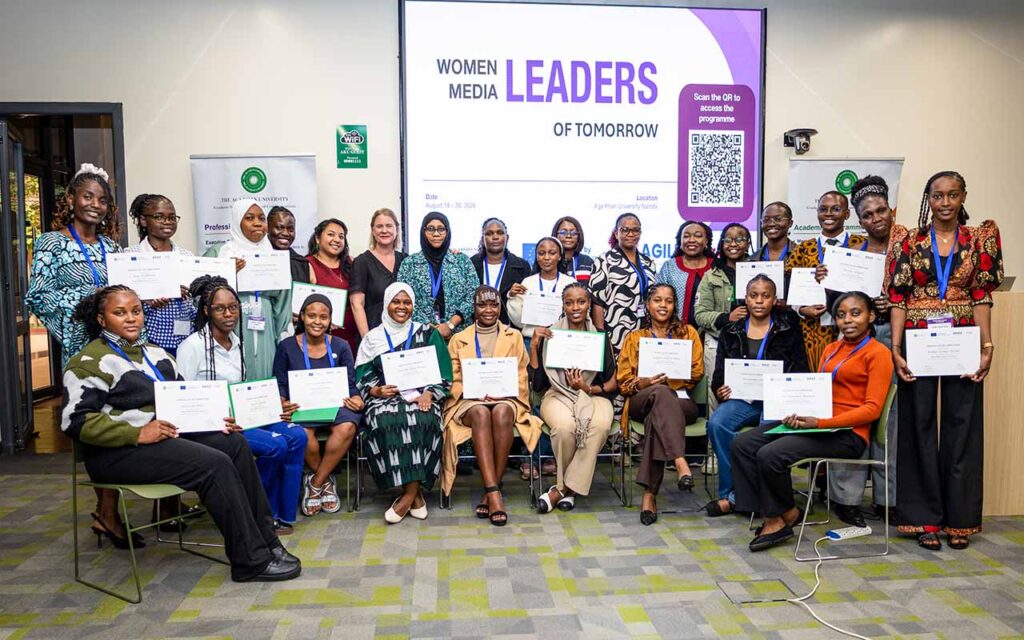
The activity was supported by AGILE.
AGILE is a global consortium (2025-2028) which aims to strengthen independent journalism globally, supported by the European Union. The consortium members are Internews Europe, Fojo Media Institute, CFI Développement Médias, Thomson Media and ARTICLE 19. Fojo Media Institute leads workstream 5: The future of journalism